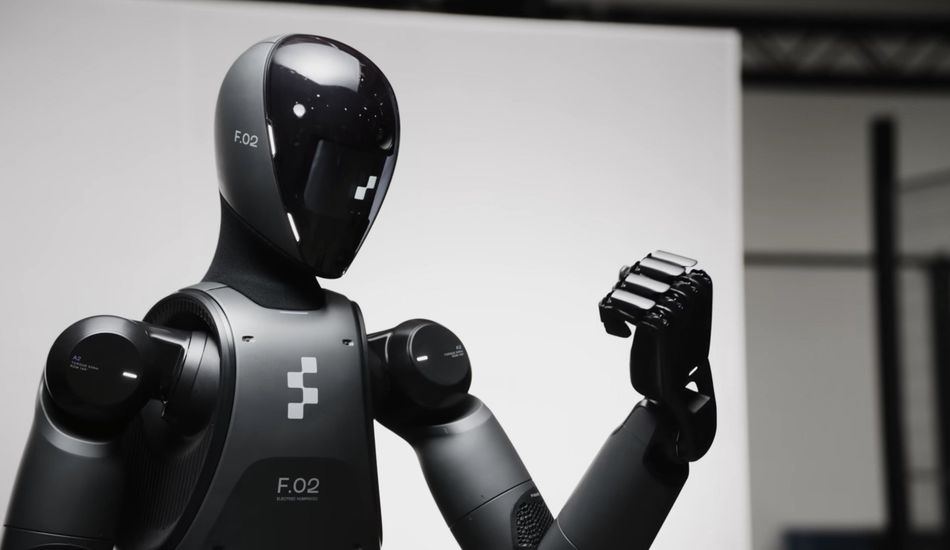
Figure AI Faces Lawsuit Over Alleged Safety Violations: A Deep Dive
I recently stumbled upon a crazy story unfolding in Silicon Valley. A robotics company, Figure AI, is facing a lawsuit from a former safety technician. It sounds like something straight out of a sci-fi movie! The tech, the intrigue... it has everything.
The lawsuit, filed by Robert Gruendel, paints a picture of a company rushing to release its humanoid robot, the 02 model, without proper safety measures. Gruendel claims that when he joined Figure AI, he found there were no formal safety protocols in place. As a safety engineer, that’s a huge red flag.
According to the suit, Gruendel tried to raise these concerns, but the company leadership seemed more interested in speed than safety. It's alleged that CEO Brett Adcock even said Gruendel's safety requirements would be ignored. That kind of attitude is worrying, especially when dealing with powerful robots.
Things get even more alarming when Gruendel conducts tests on the robot’s strength. He discovers that it can generate force more than twice what's needed to fracture a human skull! I mean, seriously? That's not something to take lightly.
Adding to the drama, Gruendel was fired shortly after raising these safety concerns. He claims this was retaliation for his whistleblowing, while Figure AI says he was let go for poor performance. Of course, they deny all the allegations in the lawsuit.
Figure AI has been attracting a lot of investment, with backing from big names like Nvidia, Jeff Bezos, and Microsoft. Their valuation has skyrocketed, reflecting the growing excitement around humanoid robots. However, I wonder if the pressure to be first to market is causing them to cut corners on safety.
If the claims are true, this could have severe consequences. Humanoid robots have enormous potential, but they need to be developed and deployed safely. I really hope Figure AI takes these allegations seriously and prioritizes the well-being of its employees and the public.
This situation reminds me of the early days of the auto industry, when safety features were often an afterthought. It took years of accidents and regulations to make cars as safe as they are today. We can't afford to make the same mistakes with robots.
Source: Gizmodo