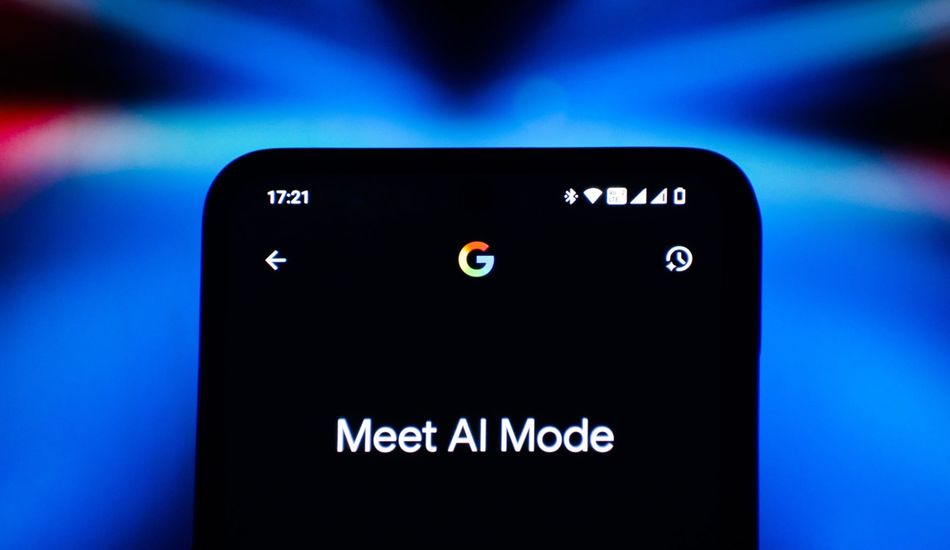
Google's Hyper-Personalization: Are We Ready to Trade Privacy for Convenience?
Okay, so Google's got this vision, right? A future where every little thing you do online is super-personalized. I'm talking ultra-tailored recommendations, ads that feel like they read your mind, and an AI that knows you better than your own mother. According to Google’s VP of product for Search, Robby Stein, people usually ask AI for advice and recommendations. He says that Google's AI could get to know you better and be uniquely helpful because of that knowledge, and I'm sitting here wondering, "Is this the dream or the beginning of a digital dystopia?".
To achieve this level of digital intimacy, Google plans to leverage all its connected services. Imagine Gmail, Calendar, Drive – all feeding data into the AI monster, creating a detailed profile of your likes, dislikes, and daily habits. Suddenly, your online experience isn't just reactive; it's proactive, anticipating your needs before you even realize them. Sounds amazing, sure. But let’s think for a moment. What happens when you start seeing hyper-targeted product releases? Or ads that know exactly what you've been browsing late at night?
And this isn't just some side project for Google. It's a full-blown strategic shift. After winning an antitrust trial, where the judge actually pointed to AI as a potential disruptor to Google's dominance, the company is doubling down on its AI efforts. Gemini, their latest AI model, is being integrated across the entire Google ecosystem. From Gmail to Maps to YouTube, Gemini is learning, adapting, and becoming an integral part of your digital life.
The Future of Search: An Ongoing Conversation
Robby Stein envisions a future where interacting with Google isn't just about typing keywords into a search bar. It's about an ongoing conversation with an AI that remembers your preferences, your past searches, and even those random thoughts you blurt out in the middle of the night. For instance, let's say you're hunting for the perfect couch. You casually mention to your AI assistant that you like mid-century modern designs and that you prefer leather. The AI stores this information, scouring the web for deals and options. Then, one day, BAM! The perfect couch goes on sale, and you get a push notification. Pretty neat, huh?
I gotta say, this hyper-personalization could be a game-changer. But here's the thing that makes me scratch my head: this level of personalization opens doors for Google's ad business. And, honestly, that's what worries me. I mean, AI-enhanced targeted ads? We’re talking about ads that know exactly what you want before you even know it yourself! It is an efficient strategy, and Google’s biggest digital ads competitor, Meta, is already doing it.
However, all this potential comes with significant risks. As OpenAI CEO Sam Altman rightly pointed out, the more an AI system knows about you, the bigger the security risk becomes. What happens when there's a data breach? Or when that information is sold to third parties without your consent? Can we really trust AI with our most sensitive information? Altman says you can’t trust AI the same way you trust another human. If you tell the model all about your healthcare issues, you don’t want the e-commerce site to know about your health issues. That is a privacy disaster waiting to happen.
So, where do we draw the line? Is the convenience of a hyper-personalized internet worth the potential privacy risks? It's a question we all need to be asking ourselves as Google continues to push the boundaries of what's possible with AI.
Source: Gizmodo