NASA's Biggest Hits: Groundbreaking Discoveries of 2025
Despite facing some serious budgetary headwinds and internal reshuffling, NASA absolutely crushed it in 2025. It's incredible to think that even amidst uncertainty, the agency delivered some truly mind-blowing scientific breakthroughs. I mean, seriously, these discoveries underscore just how crucial it is to keep supporting NASA's core mission: pushing the boundaries of what we know about the universe and inspiring future generations.
Let's dive into some of the coolest finds from the past year, shall we?
Signs of Life on Mars?
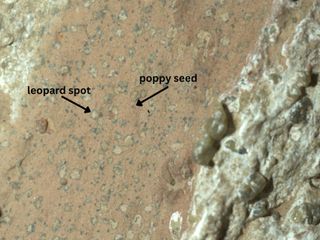
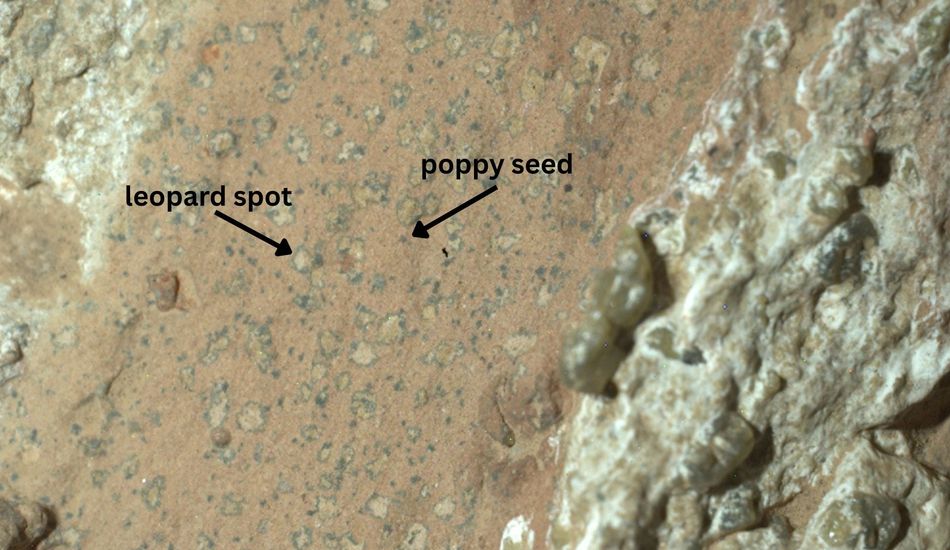
Imagine this: the Perseverance rover, cruising around Jezero Crater on Mars, stumbles upon a rock that looks like it's covered in poppy seeds. This wasn't just any rock; scientists believe it could hold vital clues about past life on the Red Planet. After some serious analysis, they found that the rock, dubbed Chevaya Falls, contains all sorts of interesting stuff – organic carbon, sulfur, and even minerals linked to microbial activity here on Earth. It's a huge deal, potentially the clearest evidence we've ever found of life beyond our planet. While getting the sample back to Earth for further study is up in the air, this discovery has definitely reignited the passion for finding life on Mars.
A Visitor from Another Star System
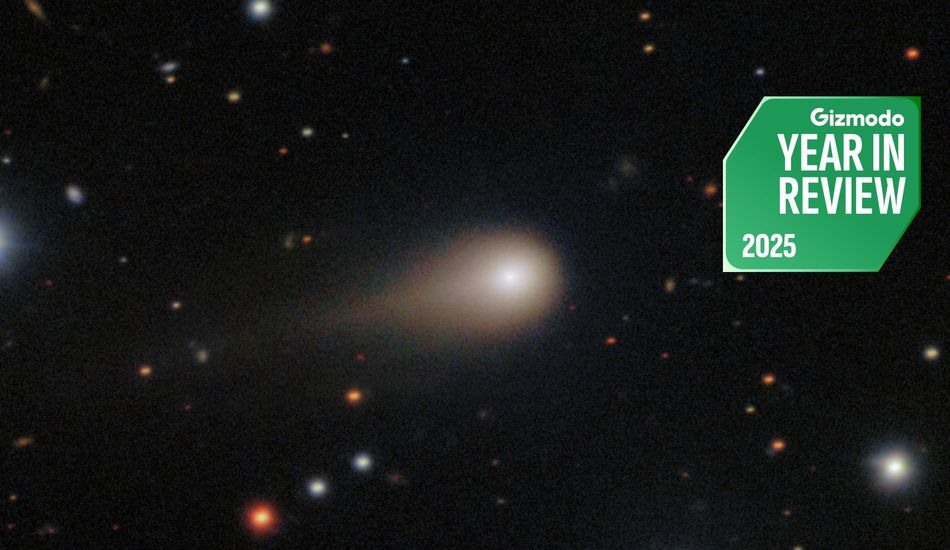
Every now and then, we get a cosmic tourist passing through our solar system – objects from other star systems. This year, astronomers spotted a comet called 3I/ATLAS, and it's a pretty special guest. Because these interstellar objects are so rare, scientists jumped at the chance to study it, hoping to learn more about distant worlds that are unreachable. Early findings show that 3I/ATLAS has a crazy amount of carbon dioxide and is incredibly old. It's like getting a glimpse into the past of another planetary system!
Betelgeuse's "BetelBuddy"
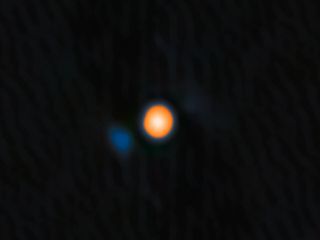
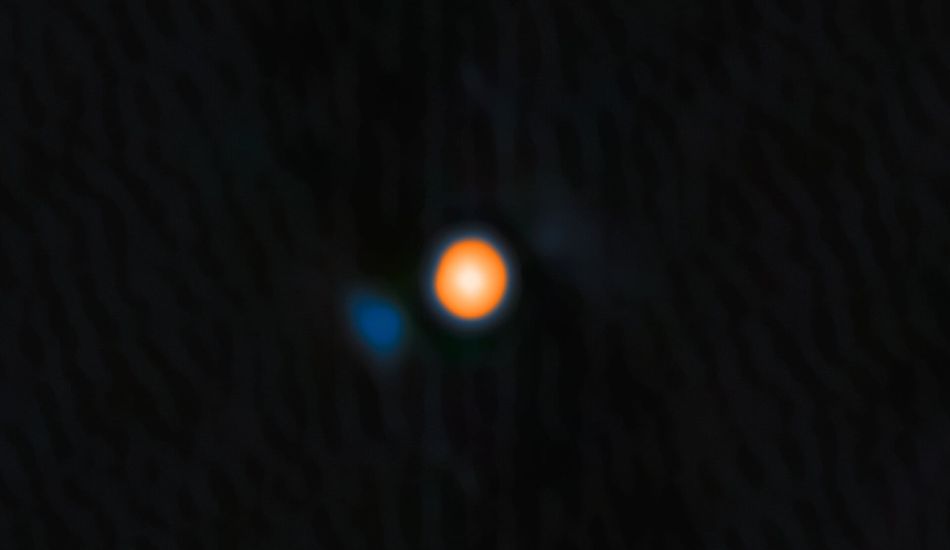
Remember Betelgeuse, the supergiant star that had everyone wondering if it was about to explode? For years, astronomers have been scratching their heads over its weird glowing patterns. Turns out, Betelgeuse has a tiny companion star – a "BetelBuddy" – that's been hiding in plain sight. Using some clever imaging techniques, scientists finally got a good look at this BetelBuddy and figured out that it's responsible for the star's strange brightness variations. Finally, a cosmic mystery solved!
Uranus Gets a New Moon
The James Webb Space Telescope continues to blow minds. This year, it spotted a previously unknown moon orbiting Uranus. This little guy, named S/2025 U1, is so small and faint that even Voyager 2 missed it decades ago. It just goes to show you how much more there is to discover in our own cosmic backyard. It is so close to the rings that scientists believe that there might be a relationship between them!
An Ultramassive Black Hole
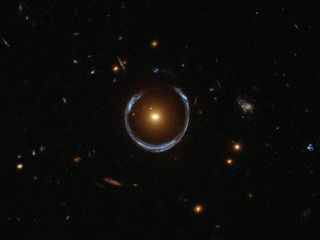
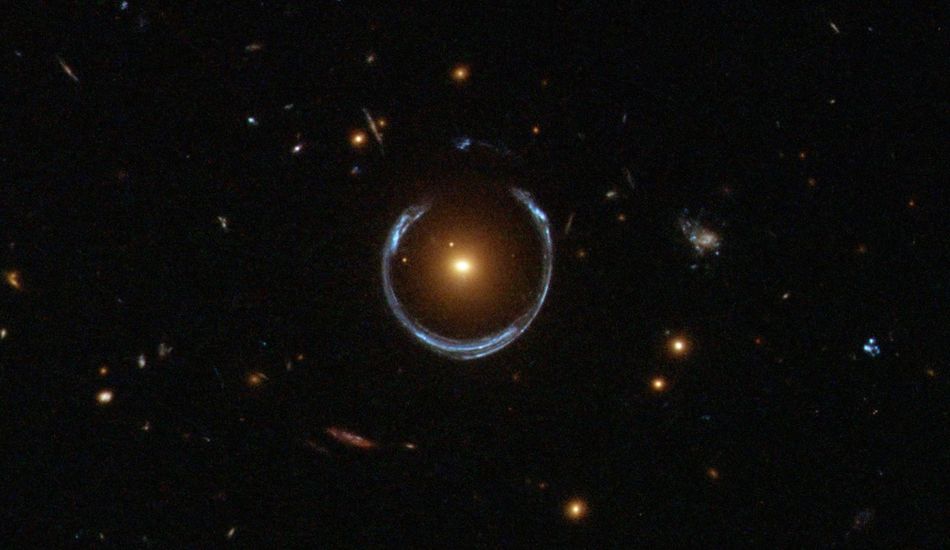
Hold on to your hats, folks, because scientists have potentially discovered the most massive black hole ever – a staggering 36 billion times the mass of our Sun! It's lurking at the center of a galaxy called the Cosmic Horseshoe, warping spacetime like something out of a sci-fi movie. What is truly impressive is the method of discovery: they combined gravitational lensing with data from powerful telescopes! Discoveries like this really push the boundaries of what we thought was possible in the universe.
Life's Building Blocks on Asteroid Bennu
Remember that asteroid sample NASA brought back from Bennu? Well, it's proving to be a treasure trove of information. Scientists have found all sorts of goodies, including amino acids, nucleobases (the building blocks of RNA and DNA), and even sugars. What does this mean? It suggests that asteroids like Bennu may have been responsible for seeding Earth with the ingredients for life. It's a fascinating piece of the puzzle in understanding how life began on our planet.
The Sun Up Close
The Parker Solar Probe has been getting up close and personal with the Sun, and the images it's sending back are simply breathtaking. We're talking about high-resolution views of the solar corona, coronal mass ejections, and raging solar winds. These observations are critical for improving our ability to predict space weather, which can have a serious impact on our technology here on Earth. It's all about protecting our satellites and power grids from those pesky geomagnetic storms.
So, there you have it – a glimpse at some of NASA's coolest discoveries from 2025. Despite the challenges, the agency continues to amaze us with its ability to explore the unknown and push the boundaries of human knowledge. I can't wait to see what they come up with next!
3 Images of NASA Discoveries:
Source: Gizmodo