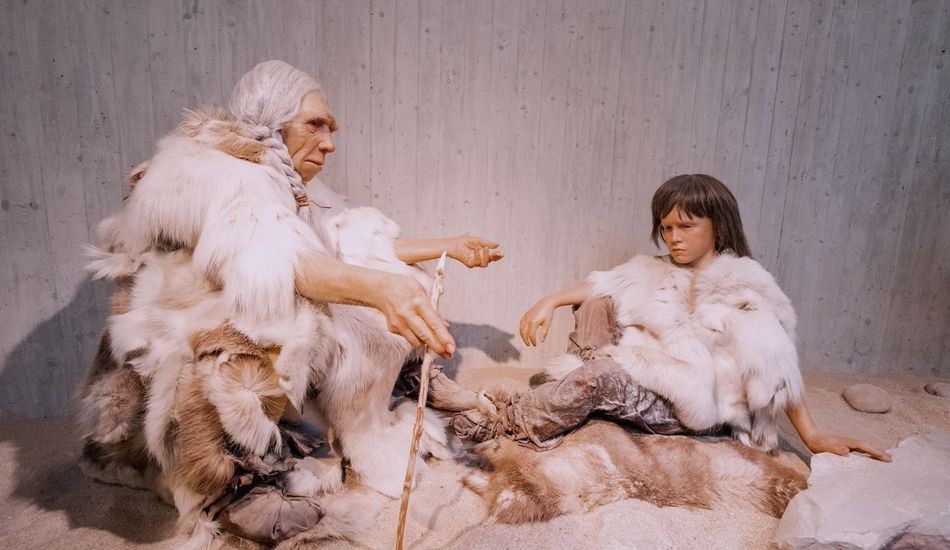
Neanderthals Unveiled: Cannibalism and Targeted Violence in Prehistoric Times
Anthropologists, bless their tireless souls, have been working for ages trying to paint a picture of human history. But while they unearth fascinating details, they also stumble upon some pretty gruesome stuff. A recent analysis of some old bone fragments is one such example, painting a rather disturbing portrait of our Neanderthal cousins.
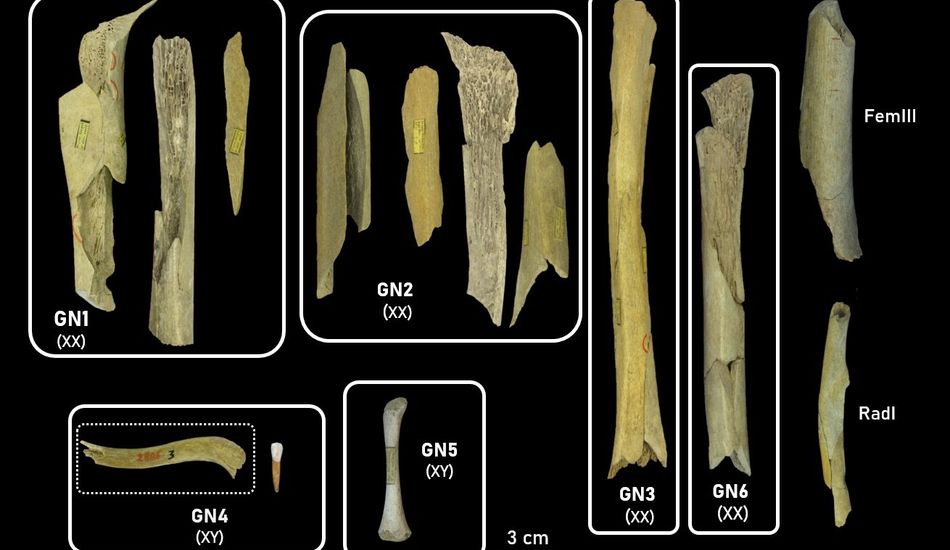
The study, which appeared in Nature Scientific Reports, suggests that these remains once belonged to six women and children. The shocking part? They were slaughtered, butchered, and then eaten by other Neanderthals. Imagine that for a second.
These bone fragments were discovered in the Goyet cave system, located in what we now know as Belgium, and they're estimated to be between 41,000 and 45,000 years old. It's like finding a prehistoric crime scene.
Targeted Predatory Behavior
What's particularly disturbing is that the research points to a pattern of targeted predatory behavior. It seems like these Neanderthals were specifically going after women and children from other groups, who were often smaller and more slender. This wasn't just random; it was calculated.
Now, cannibalism among Neanderthals wasn't exactly unheard of back in the day. Researchers have been finding evidence of this grisly practice for years, in different places and time periods. So, why were they doing it?
Neanderthal cannibalism seems to have had a variety of reasons, from simply trying to survive and get enough food to potentially some kind of ritualistic behavior. The tricky part is figuring out exactly what was going on in each specific case, especially since the bones are usually in pretty bad shape and there aren't many cultural clues left behind. It's like trying to solve a puzzle with half the pieces missing.
However, the remains from the Goyet caves offer some of the clearest insights we've got into Neanderthal cannibalism during that period of transition from the Middle to Upper Paleolithic. It's the biggest collection of Neanderthal remains in Northern Europe that shows clear signs of human activity.
A team of researchers, led by Quentin Cosnefroy from the University of Bordeaux, pieced together the bone fragments as best they could and did some genetic analysis. What they found was that the bones belonged to four adult women and two male children, and that the women were smaller and thinner than your average female Neanderthal.
Forensic investigation and microscopic analysis showed clear signs of butchery, like cut marks and notches on the bones. The researchers believe that this points to nutritional cannibalism. So, they weren't just killing these people; they were eating them for sustenance. When they combined their findings with previous isotopic analysis of the remains, they reached a grim conclusion. The Neanderthals who were cannibalized came from a different region.
This suggests that it was a case of exocannibalism—eating someone from outside your own community. Why? Maybe it was the result of conflicts between groups, territorial disputes, or even just how they treated outsiders. "At a minimum, it suggests that weaker members of one or multiple groups from a single neighboring region were deliberately targeted," the researchers wrote.
They even think that this exocannibalism could have been a deliberate strategy to weaken the reproductive potential of other groups. Harsh, right?
While it's definitely unsettling, this study offers a glimpse into our distant past. It shows how even the smallest clues from ancient human remains can reveal complex social dynamics, tensions, and selective violence that shaped the lives of Neanderthals, and ultimately, our own. It's a reminder that history, even the prehistoric kind, isn't always pretty.
1 Image of Neanderthal Cannibalism:
Source: Gizmodo