Scientists Achieve Breakthrough: Creating the Darkest Fabric Ever Made
The quest for the perfect black has always fascinated me. I mean, think about it: a dress so dark, it almost swallows the light. Scientists at Cornell University, inspired by the plumage of magnificent riflebirds, have just made a significant leap forward, and it's pretty cool.
What makes this new fabric so special? Well, it boils down to a clever combination of melanin (the same pigment that colors our skin and hair) and unique structures that trap and absorb light. Riflebird feathers, you see, have this incredible ability to appear extraordinarily black from straight on, but shine at an angle. The scientists studied this carefully.
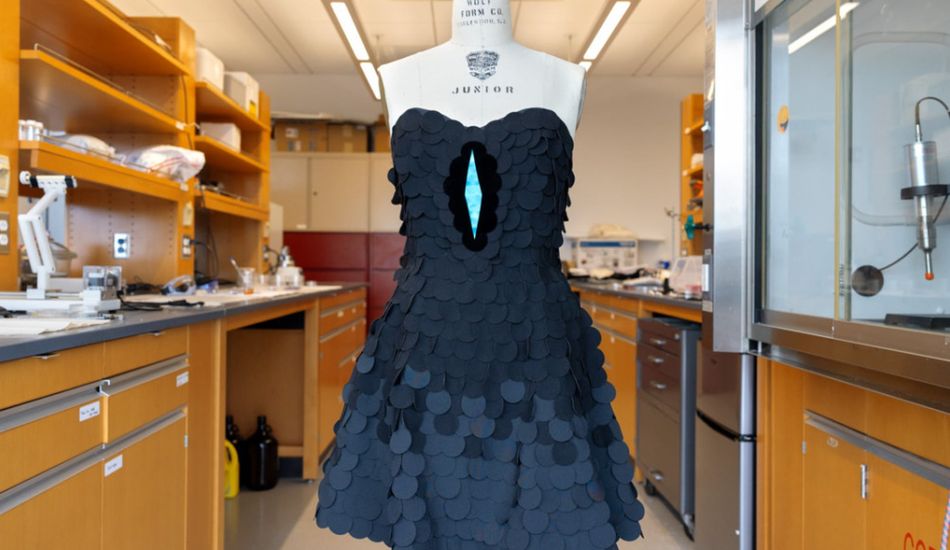
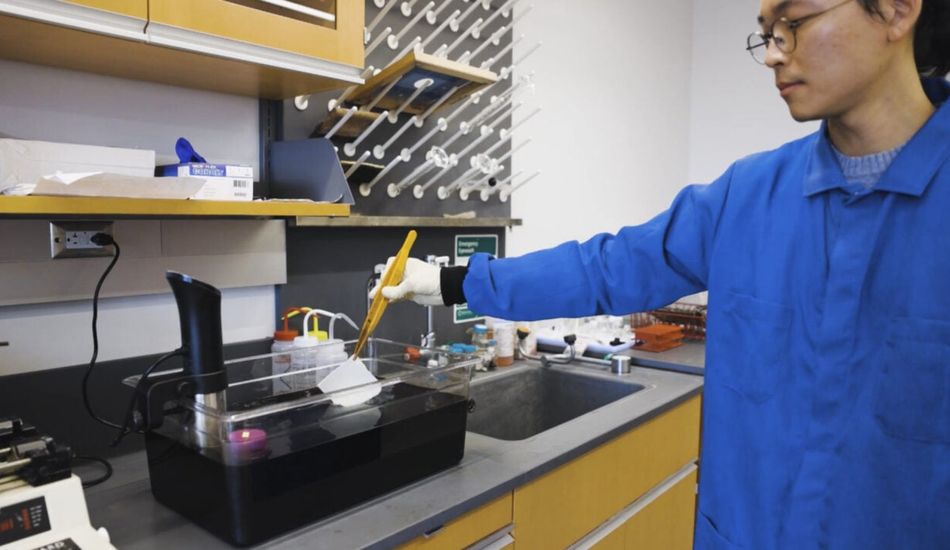
To mimic this, they first dyed merino wool with a synthetic melanin. Then, they etched it with nanofibrils in a plasma chamber, creating spiky nanoscale structures that act like tiny light traps. The result? A fabric with an average reflectance of just 0.13%, making it the darkest fabric reported to date. That's seriously dark!
The lead author, Hansadi Jayamaha, explained that light essentially bounces back and forth between these fibrils instead of reflecting back out. It's all about the way those tiny structures work together to absorb light. As a result, it creates this ultrablack effect.
This isn't just about fashion, though. While the team did create a classic black dress (with a touch of iridescent blue in honor of the riflebirds), the potential applications of this ultrablack fabric are far-reaching. I'm talking cameras, solar panels, telescopes – anything that could benefit from absorbing as much light as possible.
What I find particularly interesting is that, unlike previous attempts to create ultrablack materials, this new fabric is potentially wearable and biocompatible. Previous efforts often involved toxic materials and fragile techniques, making them impractical for everyday use. This new fabric, however, is designed to be breathable and stretchable, opening up a whole new range of possibilities.
Larissa Shepherd, a senior author of the study, noted that existing ultrablack materials aren't as wearable as theirs. Furthermore, it stays ultrablack even from wider angles. With a provisional patent already filed, it sounds like they are eager to see this technology make its way into the market.
So, while it might be a while before we see ultrablack clothing hitting the stores, I think this is a really exciting development with implications that go far beyond the world of fashion. The possibilities seems endless.
2 Images of Darkest Fabric:

Source: Gizmodo