SpaceX's Starship Booster Suffers Damage During Pre-launch Test
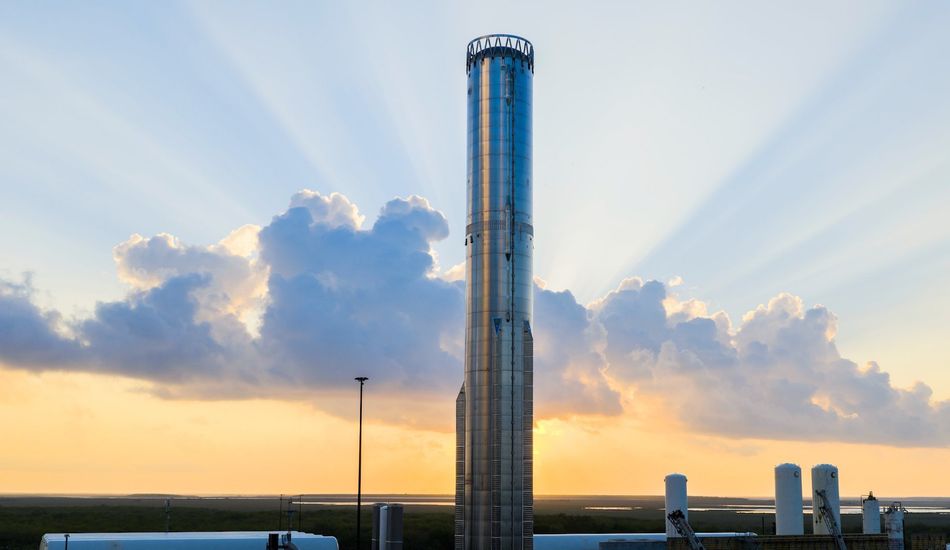
SpaceX is pushing forward with its Starship program, and it's not always smooth sailing. Recently, they were doing some pre-launch tests on an upgraded version of their megarocket, but things didn't go exactly as planned. Word is that Booster 18, which is the first Super Heavy for Starship's version 3 (expected to debut in 2026), experienced a bit of a hiccup.
Now, when I say "hiccup," I mean footage showed the booster exploding during testing at their site in Texas. And if that wasn't enough, an image surfaced showing some pretty severe damage to the lower half of the rocket, where they store the liquid oxygen propellant. Ouch! I can only imagine the discussions taking place behind closed doors.
SpaceX did mention that these initial tests were meant to check out the booster's redesigned propellant systems and its overall structural strength. However, they haven't said anything about the damage. Maybe they're still figuring things out, or perhaps they're playing it close to the vest. Who knows?
It's worth remembering that just last month, Starship version 2 had its last launch. It was a successful test flight, which is definitely a good note to end on. But now, all eyes are on this third, larger version of Starship, as they gear up for the first orbital flight. This new generation of Starship is designed to haul more propellant and will use a more powerful version of its engines.
Now, before we get too worried, it's good to remember that even though Starship's last couple of test flights went well, there were some earlier failures this year. So, there's definitely pressure on to make sure this latest prototype works as it should. The updated rocket is supposed to have several improvements and design tweaks to avoid the explosive tendencies of version 2. You know, I think every big project has its share of growing pains.
Back in September, Elon Musk admitted that this new version is a pretty radical redesign. That means there might be some initial "teething pains." It makes sense, right? When you change so much, you're bound to run into a few unexpected challenges.
The big question is: was this explosion a genuine accident, or was SpaceX deliberately pushing the rocket to its limits to see how it would handle extreme conditions? Either way, they're on a tight schedule. They need a Starship that can land astronauts on the Moon by 2027 for NASA's Artemis 3 mission. And with some development delays, NASA might even open up the Artemis 3 contract to other companies. Talk about pressure!
Musk also has his sights set on sending an uncrewed Starship to Mars sometime next year. But that's only going to happen if this next-generation Starship can reach orbit. So, SpaceX has got its work cut out for it. It's an ambitious goal, and I'm sure they're working hard to make it a reality. Only time will tell if they can pull it off!
Source: Gizmodo