This Space Microbe Fakes Death in NASA Clean Rooms: A Survival Story
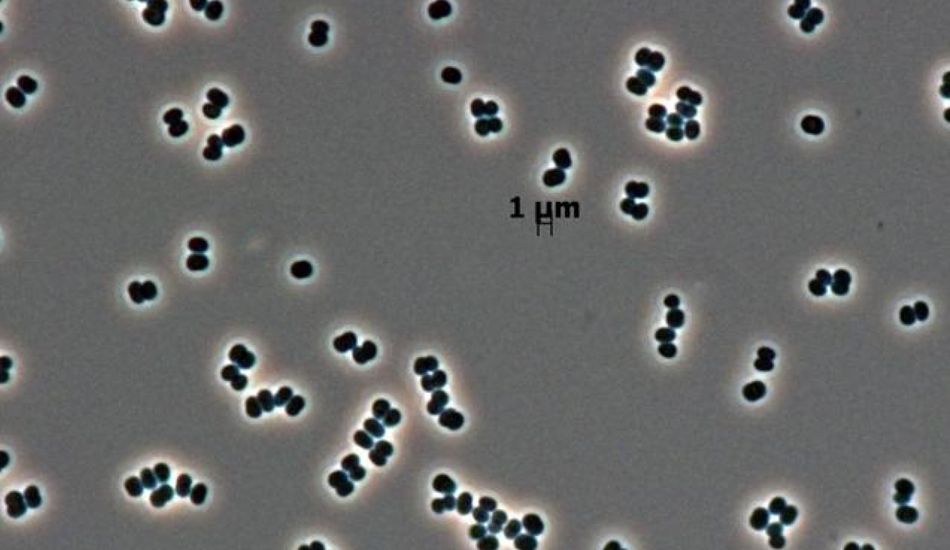
You know, it's always the little things that surprise you. In this case, it's a microbe called Tersicoccus phoenicis. Back in 2007, NASA found this tiny critter chilling in super-clean rooms where they build spacecraft. These rooms are practically sterile, so finding life there was a big head-scratcher.
For years, scientists were puzzled about how it got there. But a recent study in Environmental Microbiology suggests that it basically plays dead. I mean, how cool is that? As Madhan Tirumalai, the study's lead author, said, "It is not dead. It was playing dead. It is only dormant."
Why This Matters
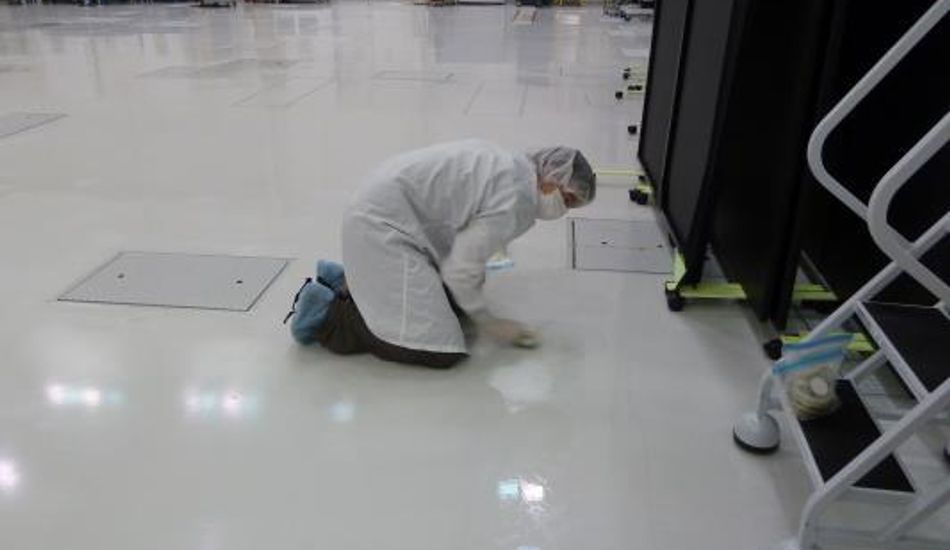
The whole point of these clean rooms is to prevent contamination, especially when we're sending rovers to places like Mars. The last thing you want is to find Earth microbes instead of alien ones. So, they go all out with the cleaning – heating, drying, chemicals, UV light, you name it. Then, they double-check to make sure nothing's alive.
What's truly impressive is that T. phoenicis not only survived but also tricked the sterilization checks. Even though NASA assured everyone back in 2013 that it wasn't harmful, the researchers behind this new study wanted to dig deeper.
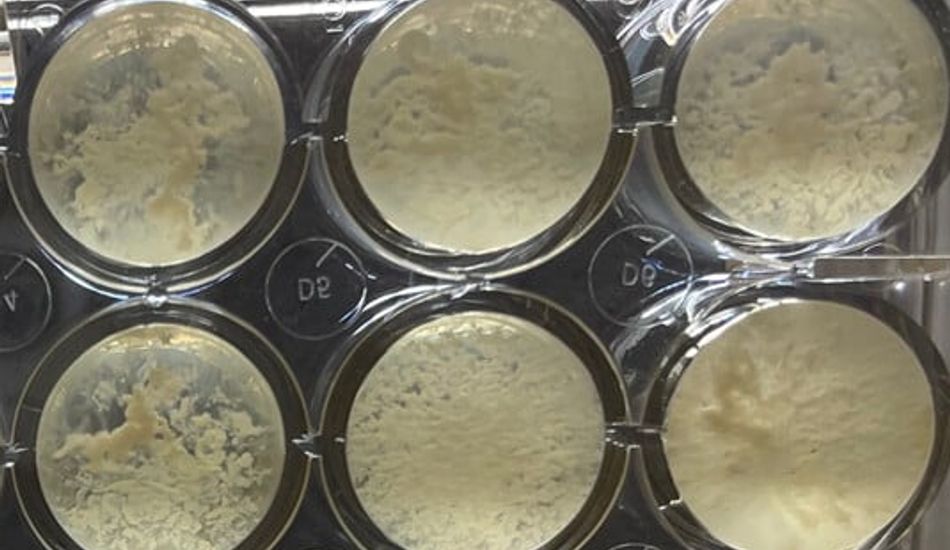
In their experiment, they put T. phoenicis on sterile plates, starved it of nutrients, and dried it out. Lo and behold, within 48 hours, the bacteria went into a dormant state, appearing lifeless. And it stayed that way for a whole week, even when they tried to feed it again.
The kicker? Exposing it to a certain protein brought it right back to life. This is like something out of a sci-fi movie! Nils Averesch, a microbiologist at the University of Florida, pointed out that this ability to shut down metabolism makes it way more likely for these bacteria to survive on spacecraft surfaces.
Now, here's where it gets a bit concerning. T. phoenicis was first found during preparations for the Phoenix Mars lander. So, could it have hitched a ride to Mars unnoticed?
Experts think it's unlikely to survive on the Martian surface, but it's still a thought. It's also possible that T. phoenicis evolved specifically to survive in spacecraft clean rooms, since it hasn't been found anywhere else. However, this discovery could also help us improve cleaning methods in these rooms. Now that we know how to wake these bacteria up, we can target them more effectively.
In the end, this metabolic trick just goes to show how incredibly resilient even the tiniest life forms can be. It makes you wonder what other secrets they're hiding!
2 Images of Microbe Survival:
Source: Gizmodo