Uncovering Ancient Secrets: The Underwater Caves of Yucatán
Secrets From the Underwater Caves
Imagine diving into the dark, flooded tunnels beneath the Yucatán Peninsula's forests. It's like stepping back in time to the Late Pleistocene era, a period stretching from about 126,000 to 11,700 years ago. These aren't just any caves; they're the world's most extensive underwater cave systems, snaking for kilometers underground.
These caves, accessible through sinkholes known as "cenotes," hold secrets of the past. For millennia, fossils and traces of human activity have remained undisturbed in these depths. Thanks to dedicated divers and international scientists, we're beginning to uncover these hidden treasures.
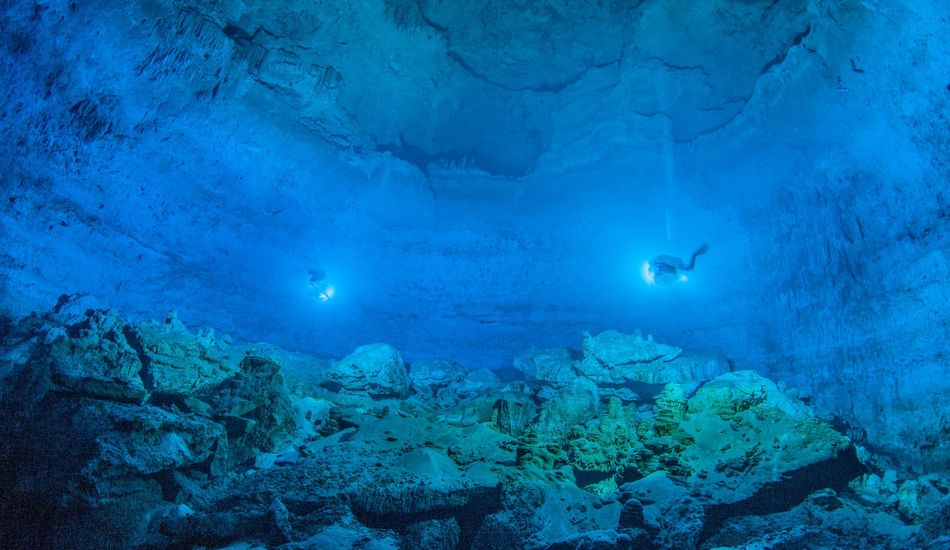
One particular spot, Hoyo Negro (Black Hole), gained attention back in 2014. Discovered in 2007, this enormous bell-shaped pit within the Sac Actun cave system has yielded numerous fossils, including Naia, one of the oldest human skeletons found in the Americas.
Diving into the Unknown
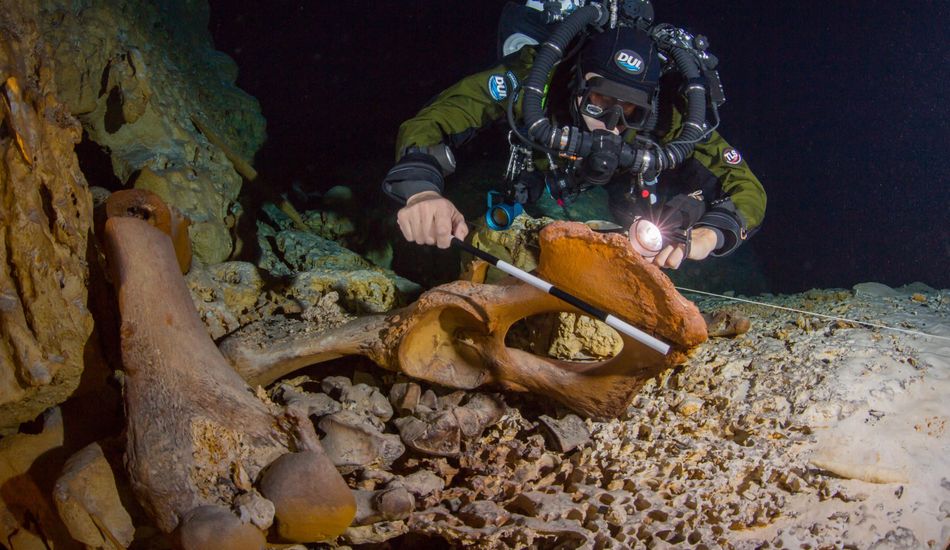
Diving into Sac Actun isn't a walk in the park. It's a dangerous endeavor, especially considering that, initially, the tunnels were largely unknown and unmapped. Imagine navigating complete darkness underwater. Divers must carry all sorts of gear to keep themselves safe: breathing equipment, lines to avoid getting lost, and lights to illuminate the way. And of course, they have to carry cameras and video equipment to document everything.
As Roberto Chávez Arce, a project co-director and diver, explained, they even carry "spares of the spares" to ensure they're prepared for any equipment failures in the depths. Initially, reaching Hoyo Negro was a long journey, but the discovery of a closer cenote and the use of motorized scooters has significantly sped things up.
Mapping the cave system was also a gradual process. At first, divers used simple tools like compasses and tape measures. However, they eventually transitioned to structure-from-motion (SfM) photogrammetry, using overlapping pictures to create a 3D model. This virtual model is especially useful, as it allows scientists to explore the underwater world without actually diving in.
Naia's Story
Naia's story is a tragic one. Her remains suggest that she was only around 15 to 17 years old when she died. She had a broken pelvis, likely from falling into Hoyo Negro. Analysis of her bones revealed that she was slightly built, about 4 feet 8 and a half inches tall. Strangely enough, her diet didn't seem to include much seafood, even though Hoyo Negro is relatively close to the coast. This suggests that her people may not have been marine-adapted, which challenges the idea that the earliest people arrived via the Pacific coast.
While Naia’s story is fascinating, it is not the only aspect that makes this discovery special. Researchers also found evidence of ochre mining. It is a mineral that produces a red pigment that was used for decoration, burial practices, and rock paintings. They also found fossil footprints from animals like bears.
A Treasure Trove of Fossils
Hoyo Negro and the surrounding caves have turned out to be a treasure trove of fossils. Among the discoveries are fossils of extinct short-faced bears, Arctotherium wingei, which were previously only known from South America. The site also revealed fossils of Protocyon troglodytes, a wolf-like canid, which was also thought to be exclusive to South America.
Even fossils of gomphotheres—extinct elephant-like animals—have been found, suggesting these giants once roamed the underground caves in search of fresh water. These discoveries are not only expanding our understanding of the animals that lived in the area but also shedding light on the Great American Biotic Interchange (GABI), a series of migrations between the northern and southern continents.
In conclusion, the underwater caves of the Yucatán Peninsula are a portal to the past. From the story of Naia to the fossils of extinct animals, these caves are providing us with invaluable insights into the history of the Americas. And with ongoing research, there's no telling what other secrets they may reveal.
2 Images of Underwater Caves:
Source: Gizmodo